
Consumers are becoming increasingly concerned about hidden chemicals in everyday products — especially substances like PFAS, often called “forever chemicals.” Yet ingredient labels are difficult to interpret, and many potentially harmful substances remain unnoticed by the average shopper.
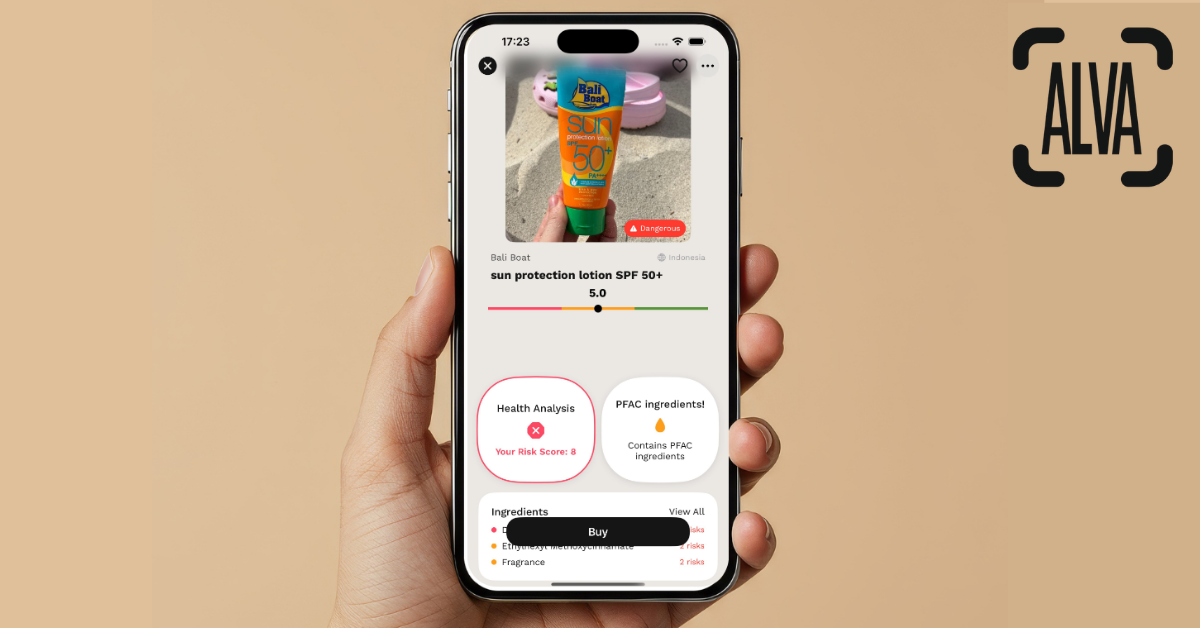
ALVA aims to change that. The newly launched mobile app allows users to scan products and instantly analyze their ingredients using artificial intelligence. By translating complex chemical information into clear insights, ALVA helps consumers identify potential risks and make more informed purchasing decisions.
To raise awareness about chemical exposure, the platform also offers a free online test that helps users estimate their potential exposure to PFAS through common consumer products.
You can learn more about the app at get-alva.com or take the free PFAS exposure test at test.get-alva.com.
ALVA, a new AI-powered consumer safety platform, has officially launched its mobile app designed to help people detect harmful chemicals in everyday products.
The ALVA app allows users to scan cosmetics, household products, and packaged goods to instantly see whether ingredients may pose risks related to endocrine disruption, allergies, or long-term toxicity.
Consumers are increasingly concerned about substances such as PFAS (“forever chemicals”), parabens, phthalates, and other potentially harmful ingredients. However, understanding ingredient labels remains difficult for most people.
ALVA aims to solve this problem using artificial intelligence and a large ingredient risk database.
Users can learn more about the platform at get-alva.com, where the company explains how the technology analyzes product ingredients and highlights potential health risks.
Rising Demand for Chemical Transparency
Over the past decade, public awareness around chemical exposure has grown significantly. Reports about PFAS contamination, hormone disruptors, and hidden additives have led many consumers to seek safer alternatives.
Yet most people still struggle to interpret complex ingredient lists.
ALVA simplifies this process by translating chemical information into easy-to-understand insights.
Instead of searching each ingredient manually, users simply scan a product barcode and receive an instant overview of potential concerns.
From Ingredient Lists to Actionable Insights
The ALVA platform analyzes ingredients using a growing dataset of toxicological research and regulatory information.
The app highlights possible risks related to:
• endocrine disruption
• carcinogenicity
• environmental persistence
• allergic reactions
By presenting the information in a simplified format, ALVA allows consumers to make more informed purchasing decisions.
The company has also launched an educational initiative in addition to its Blog, focused on PFAS exposure.
Consumers interested in learning whether their daily products may contain PFAS can take the free test available at test.get-alva.com.
A New Model for Consumer Transparency
ALVA’s long-term mission is to increase transparency in consumer products and encourage safer manufacturing practices.
When consumers gain access to clear information about product ingredients, market pressure can shift toward safer alternatives.
“Consumers deserve to know what is inside the products they use every day,” the company said.
“Technology can finally make ingredient transparency accessible to everyone.”
About ALVA
ALVA is an AI-powered product analysis platform designed to help consumers understand chemical risks in everyday products.
By combining artificial intelligence with toxicology research, the platform enables users to scan products and receive clear explanations of potential ingredient risks.
More information about the app is available at get-alva.com.
The App is also released on the AppStore
FAQ
Frequently Asked Questions About PFAS, Chemical Safety and ALVA App
What are PFAS chemicals?
PFAS (per- and polyfluoroalkyl substances) are a group of synthetic chemicals used in many consumer products such as cosmetics, non-stick cookware, food packaging, and waterproof textiles. They are often called “forever chemicals” because they break down very slowly in the environment and in the human body.
Why are PFAS used in products?
PFAS are commonly used because they make products resistant to water, oil, stains, and heat. In cosmetics and skincare products like sunscreen, they can improve texture and durability.
Are PFAS harmful to human health?
Some PFAS have been linked in scientific studies to potential health concerns, including hormone disruption, immune system effects, and increased risk of certain diseases. Research is ongoing, but many experts recommend reducing unnecessary exposure where possible.
How can you detect harmful chemicals in consumer products?
Identifying potentially harmful ingredients can be difficult because ingredient lists are often long and contain complex chemical names. Tools like the ALVA product scanner analyze product ingredients and highlight substances that may be associated with potential health risks.
How does the ALVA app work?
The ALVA app allows users to scan a product barcode or search for a product to view its ingredient analysis. The platform uses artificial intelligence and toxicological data to evaluate ingredients and provide easy-to-understand explanations of possible risks.
Can ALVA detect PFAS in products?
ALVA analyzes ingredient lists and scientific data to identify substances that may belong to the PFAS family or are associated with similar chemical risks. This helps users better understand whether a product may contain ingredients linked to PFAS exposure.
How can I test my PFAS exposure from everyday products?
ALVA offers a free online assessment that helps users estimate potential exposure to PFAS from common consumer products and daily habits. The test is available at test.get-alva.com.